How to Identify High Quality Steel Materials for Global Procurement?

Time:2026-08-24 Author:Aria
0%

In the quest to understand how to identify high quality steel materials, it is essential to tap into expert insights. John Smith, a renowned steel industry consultant, aptly states, "The quality of steel hinges on meticulous evaluation and understanding of its properties." This statement underscores the importance of thorough analysis and expertise in global procurement.

When navigating the diverse steel market, buyers often face challenges. Not all steel materials are created equal. Variations in composition, manufacturing processes, and sourcing can impact the overall quality. It is crucial to look for certifications, test reports, and supplier reliability. A blind reliance on price can lead to costly mistakes.

Procurement professionals must develop a keen eye for detail. Inconsistent standards and misleading information can cloud judgment. Engaging with experienced suppliers and investing time in research can bridge the knowledge gap. Ultimately, a strategic approach is required to ensure that the materials meet the necessary standards for quality and performance.
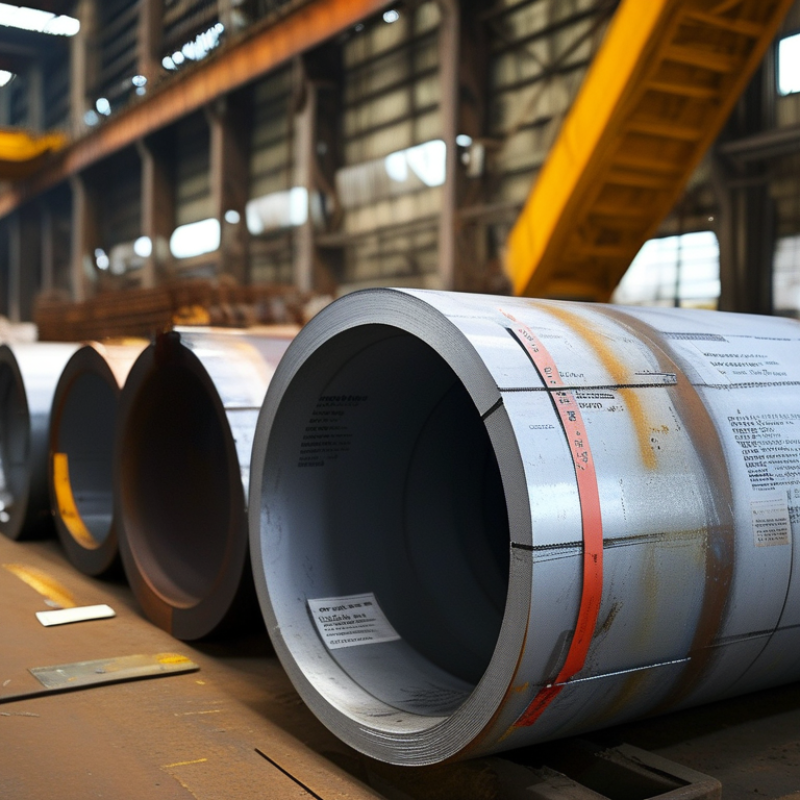
How to Identify High Quality Steel Materials for Global Procurement?

Understanding the Different Types of Steel Materials Available Globally

When considering the global steel market, understanding the various types of steel materials is essential. Steel can be categorized in multiple ways, including alloy composition, mechanical properties, and production methods. Common types include carbon steel, alloy steel, stainless steel, and tool steel. Each type serves different applications, which is crucial for making informed procurement decisions.

Different regions may specialize in specific types of steel. For example, some countries focus on producing high-strength low-alloy steel, while others excel in manufacturing stainless steel. This specialist production can affect availability and pricing. Knowing these regional variances helps buyers choose the right supplier.

Look for certifications from reputable organizations. These can indicate material quality and ensure compliance with industry standards. Always check for traceability in the procurement process. It guarantees that the steel can be traced back to its source. This is vital for maintaining quality and assurance.

Invest time in researching suppliers and their steel offerings. Request detailed specifications for different steel types, including mechanical and chemical properties. This will aid in comparing options based on your project needs. Understanding the insights of local markets can also lead to smarter decisions.

Key Properties and Specifications that Define Quality in Steel

When assessing steel materials for procurement, several key properties and specifications play a vital role in determining quality. The chemical composition is foundational. Elements like carbon, manganese, and silicon impact the steel’s strength and ductility. Higher carbon content can enhance strength but may reduce ductility. Finding the right balance is crucial for specific applications.

Mechanical properties are equally important. Yield strength and tensile strength indicate how well the steel can withstand stress. For demanding environments, high toughness is essential. It ensures the steel can absorb energy and deform without breaking. Quality certifications can indicate these properties; however, some may manipulate test results. Establishing relationships with trusted suppliers may mitigate this risk.

Surface finish contributes to both the aesthetics and performance of steel products. A smooth finish can enhance corrosion resistance, while rough surfaces may lead to flaws. Regular inspections are necessary but can be costly and time-consuming. Defects might slip through despite thorough evaluations. Considering these factors illustrates that choosing quality steel requires careful decisions, attention to detail, and ongoing assessments.

Methods for Testing and Evaluating Steel Material Quality

Identifying high-quality steel materials is crucial for global procurement. Testing and evaluating steel involves several key methods. One common approach is conducting tensile strength tests. These tests help determine how much force the steel can withstand before breaking. Evaluating the steel's yield strength is also essential, as it reveals the material's ability to deform without permanent damage.

Visual inspection is another method to assess quality. Look for signs of rust or irregularities on the surface. A smooth finish often indicates higher quality, while pitting or scaling can be a warning sign. Ensure that steel has a consistent thickness, which is vital for structural integrity.

When sourcing steel, consider the certifications it holds. Certifications from recognized organizations suggest compliance with industry standards. Investigating the supplier’s reputation further ensures reliability. Pay attention to the steel’s composition as well; for example, higher carbon content affects hardness and ductility.

Finding high-quality steel isn’t always straightforward. It requires a mix of testing, visual assessments, and careful supplier selection. This process might take time, but reliable materials are essential for long-term performance. Use these methods to navigate the challenges of procurement effectively.

Identifying Reliable Suppliers for High Quality Steel Procurement

Identifying reliable suppliers for high-quality steel procurement is critical in today's global market. According to a recent industry report, nearly 30% of procurement professionals cite quality issues as their primary challenge. This highlights the importance of establishing partnerships with trustworthy suppliers. Effective communication and clear requirements can help mitigate misunderstandings that lead to subpar materials.

Assess supplier certifications. Ensure they comply with international standards like ISO 9001. This ensures their quality management system is effective. Additionally, check whether suppliers source steel from reputable mills known for their quality. An analysis by Steel Institute reveals that 40% of steel failures stem from poor material sourcing. So, your diligence in selecting suppliers can significantly reduce risks.

Connect with industry peers. They can provide valuable insights into suppliers' reputations and reliability. Networking can lead to better deals and increased trust. Regular assessments of supplier performance also help ensure ongoing compliance with quality standards. This proactive approach can foster long-term partnerships and ultimately enhance your procurement process.

How to Identify High Quality Steel Materials for Global Procurement?

Parameter Description Value Measurement Unit
Tensile Strength Resistance to being pulled apart 400 MPa
Yield Strength Stress at which a material begins to deform plastically 250 MPa
Elongation Ability of the material to deform under tensile stress 15 %
Hardness Resistance to deformation or scratching HB 180 Brinell Hardness
Impact Toughness Resistance to breaking under impact 27 J
Corrosion Resistance Ability of material to withstand corrosion Good -
Fatigue Strength Strength of material subjected to cyclic loading 200 MPa

Best Practices for Sourcing Steel on a Global Scale

Sourcing high-quality steel materials on a global scale requires a strategic approach. According to the World Steel Association, global steel production reached over 1.8 billion tons in 2022. This volume indicates the immense market potential, but also highlights the challenges of quality control and supplier reliability.

Evaluating suppliers is crucial. Look for companies with ISO certifications, which indicate adherence to international quality standards. A report by McKinsey emphasizes that organizations which prioritize supplier evaluation reduce procurement risks by 30%. Engage in transparency by requesting material test reports and certifications to ensure compliance with industry standards.

Moreover, staying updated with the latest trends can enhance purchasing decisions. Steel prices can fluctuate based on economic factors. The Global Steel Report suggests that demand for eco-friendly steel is rising. Thus, procurement strategies must adapt to include sustainable options. Acknowledging the complexities and challenges in sourcing steel can aid in refining practices for improved outcomes.

Global Steel Quality Assessment

FAQS

: What are the common types of steel materials available?

: Common types include carbon steel, alloy steel, stainless steel, and tool steel. Each serves different applications.

Why is supplier certification important?

Certifications indicate material quality and compliance with industry standards. They help maintain high-quality procurement.

How can regional specialties affect steel procurement?

Different regions may specialize in certain steel types. This affects availability and pricing for buyers.

What should I research in suppliers?

Investigate certifications, sourcing practices, and steel specifications. Thorough research aids in comparing options effectively.

How can networking help in supplier selection?

Industry peers provide valuable insights into supplier reliability. Connections can lead to better deals and trust.

What role do certifications like ISO 9001 play?

ISO certifications ensure effective quality management. They enhance supplier reliability and reduce procurement risks.

How can I ensure traceability in steel procurement?

Request detailed documentation that traces steel back to its source. This is vital for maintaining quality.

What trends should I consider in global steel sourcing?

Watch for fluctuations in prices and the rising demand for eco-friendly steel. Stay adaptable in your strategies.

How can I assess supplier performance over time?

Regular evaluations help ensure compliance with quality standards. This can strengthen long-term supplier relationships.

What are potential challenges in steel procurement?

Quality issues can arise from poor material sourcing. Diligence in supplier choice can help mitigate these risks.

Conclusion

In the quest for how to identify high quality steel materials, understanding the different types of steel available globally is essential. Each type has unique characteristics that cater to various industrial needs. Key properties such as tensile strength, corrosion resistance, and chemical composition play a critical role in defining steel quality, alongside established specifications.

To ensure the highest standards, methods for testing and evaluating steel materials are crucial, including tensile tests and metallographic analysis. Furthermore, identifying reliable suppliers who consistently provide high quality steel is vital for successful procurement. By adhering to best practices in sourcing steel on a global scale, businesses can enhance their material selection process, ensuring durability and performance in their applications.

Aria

Aria

Aria is a dedicated marketing professional with a deep passion for innovative strategies and a keen understanding of our company's product offerings. With a wealth of experience in the industry, Aria excels at crafting engaging content that highlights the unique features and benefits of our......