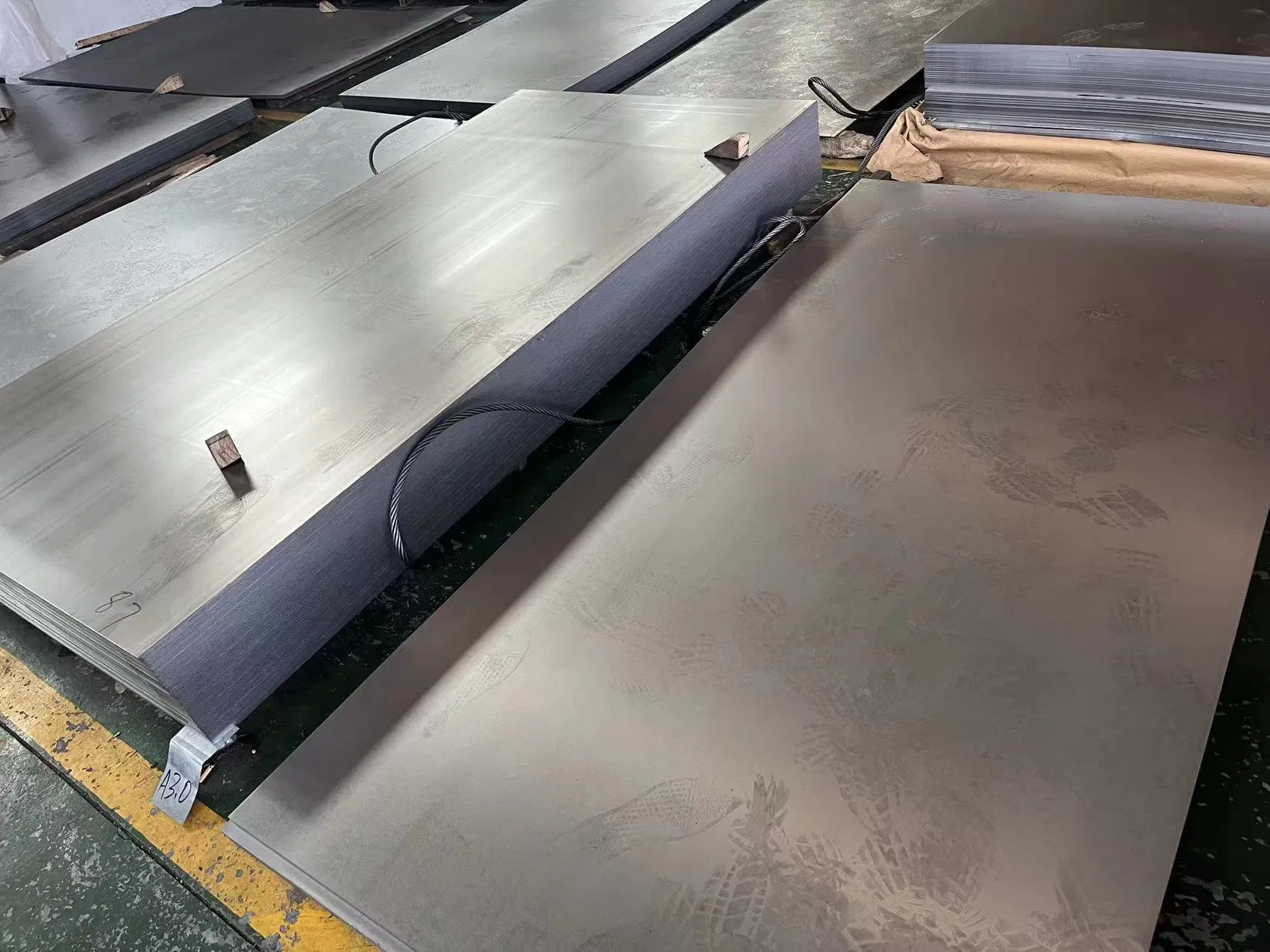
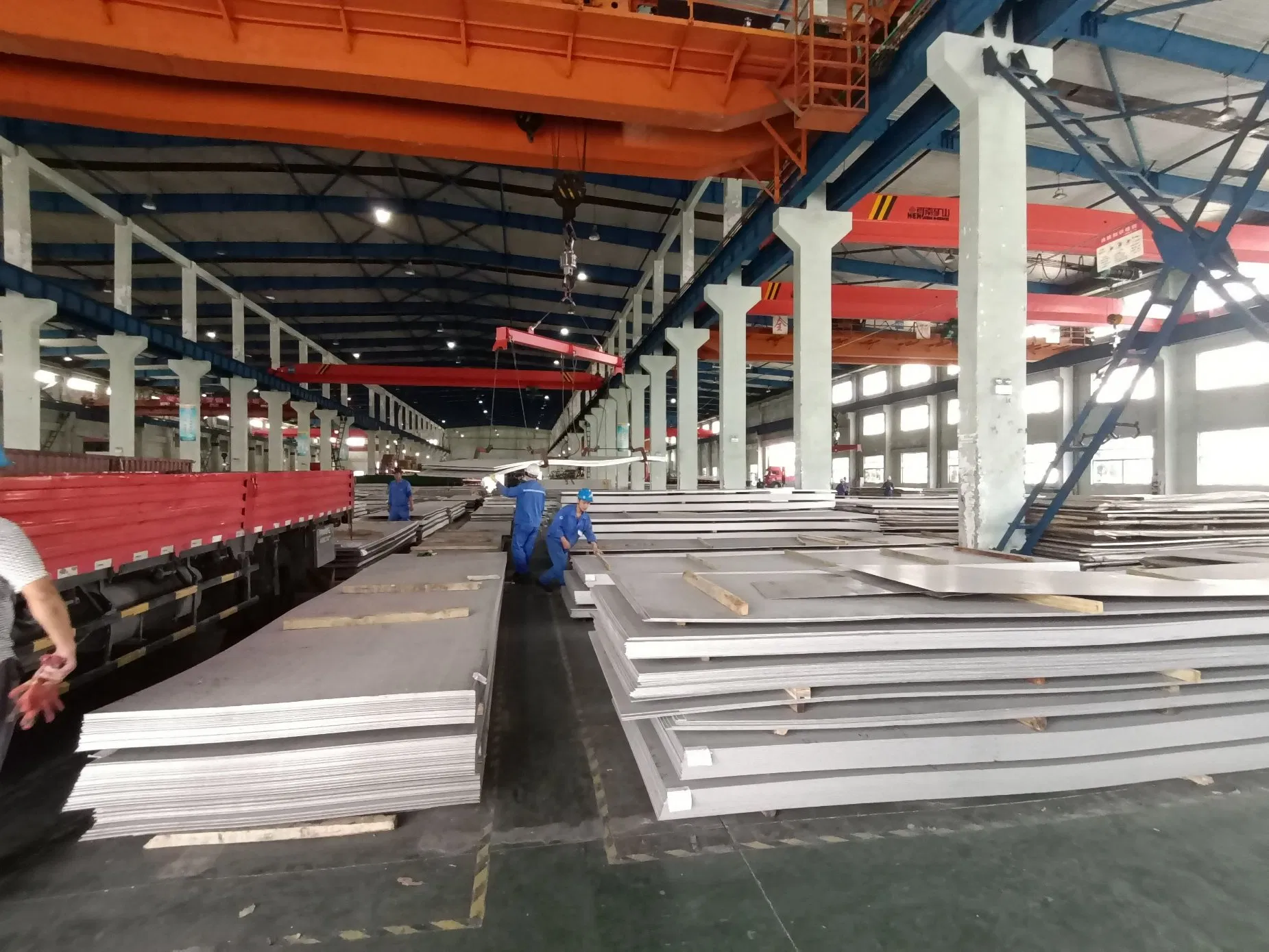
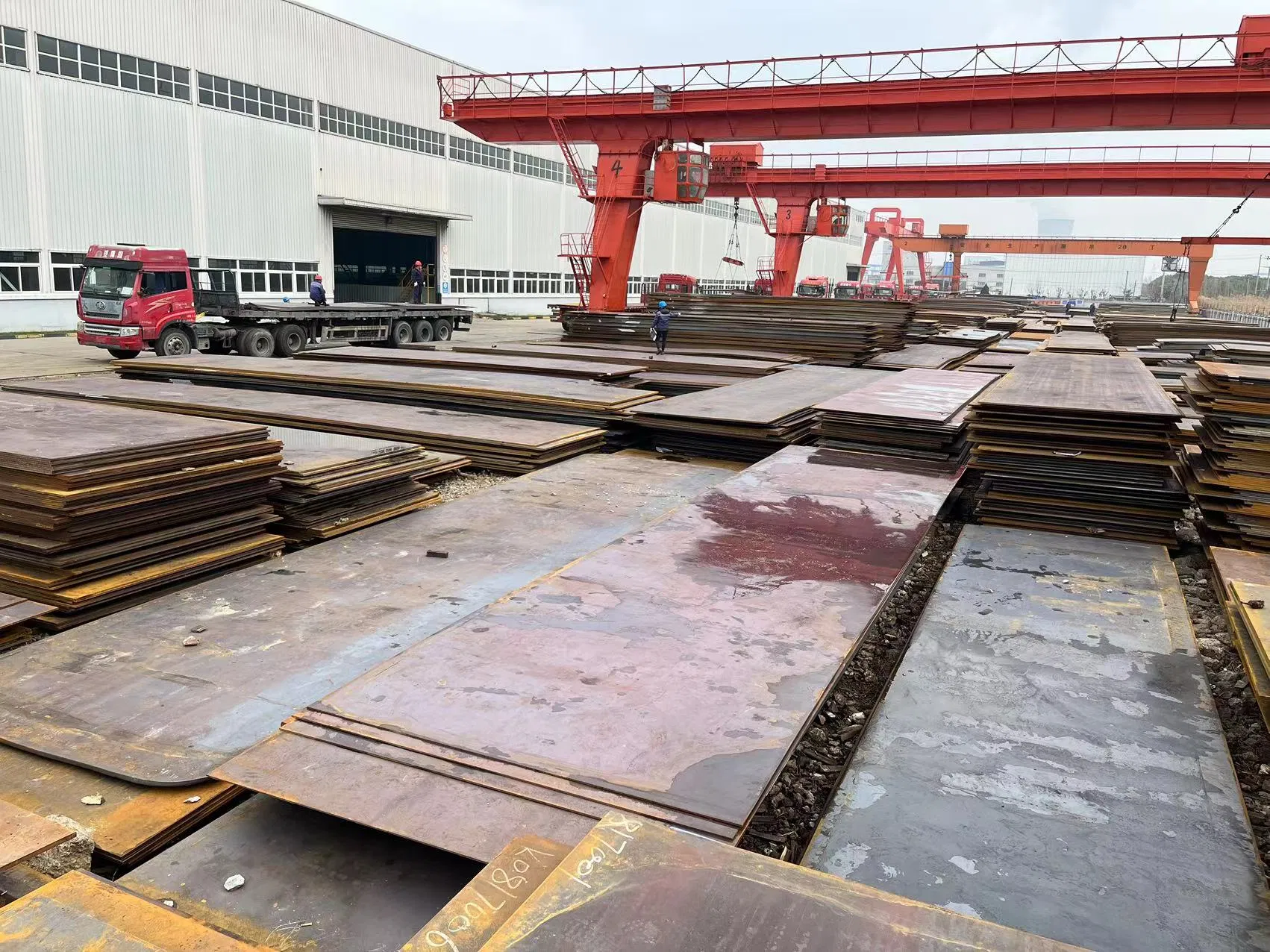
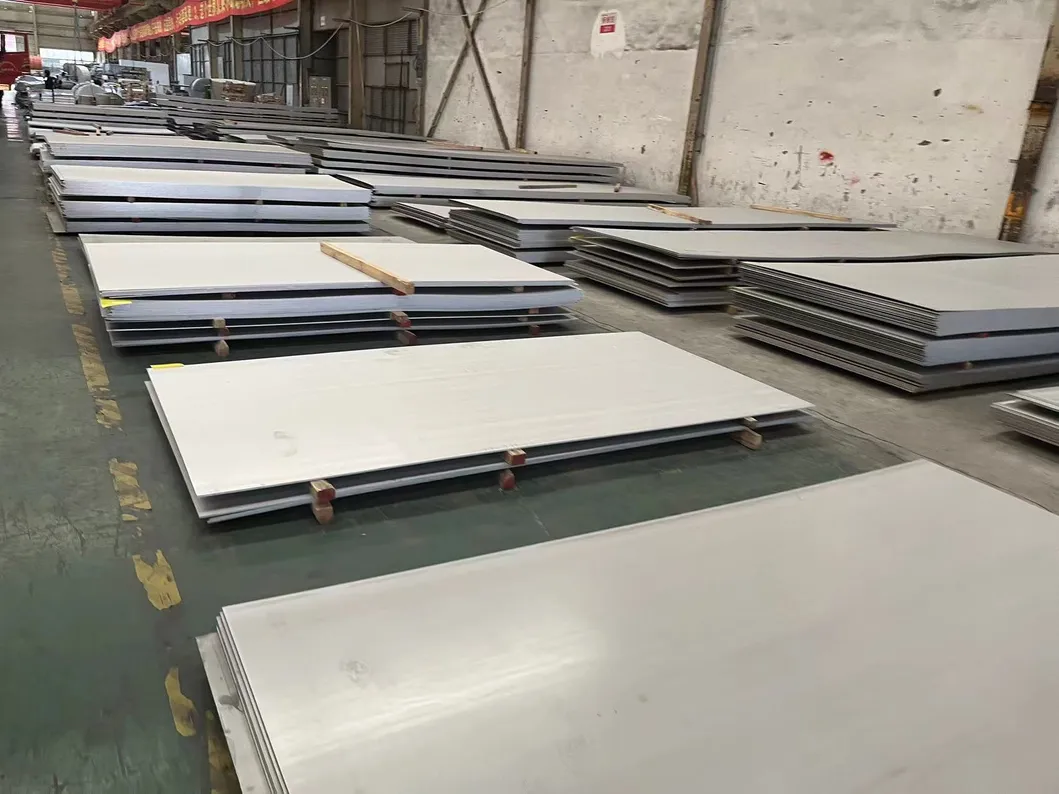
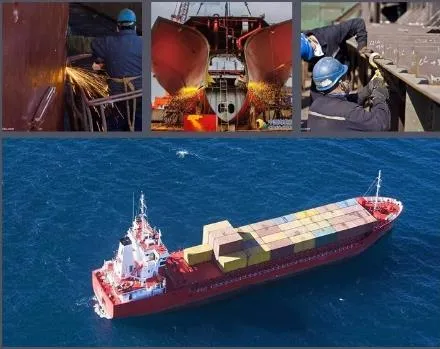
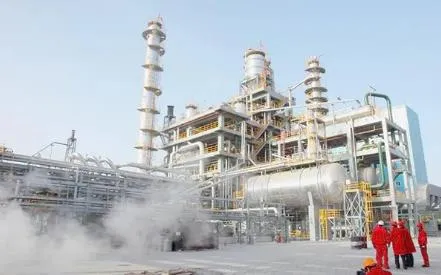
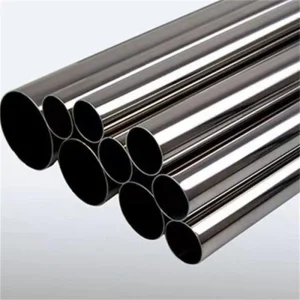
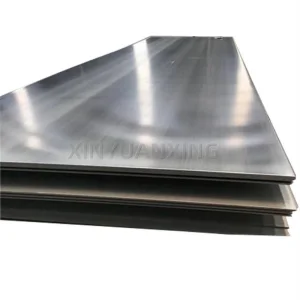
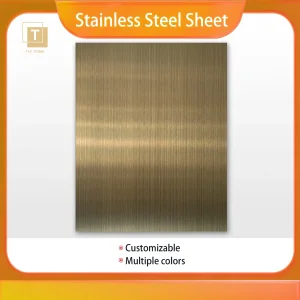
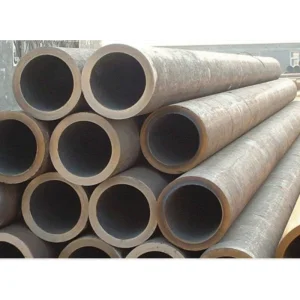
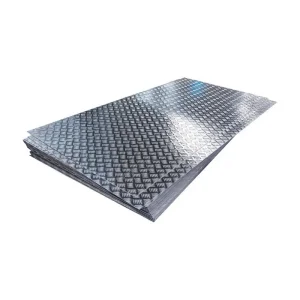
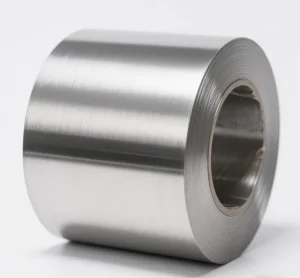
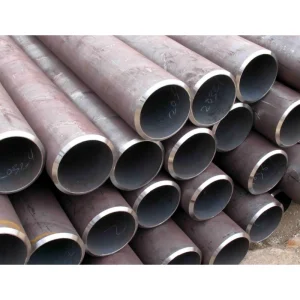
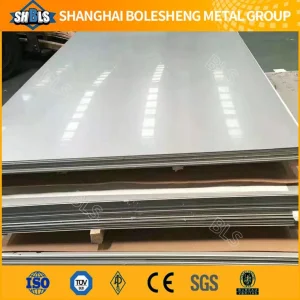
304L stainless steel sheet is a versatile, low-carbon variant of the 304 grade, prized for its exceptional weldability and resistance to corrosion, particularly in environments prone to sensitization. It is widely recognized for its stability and performance in diverse industrial applications.
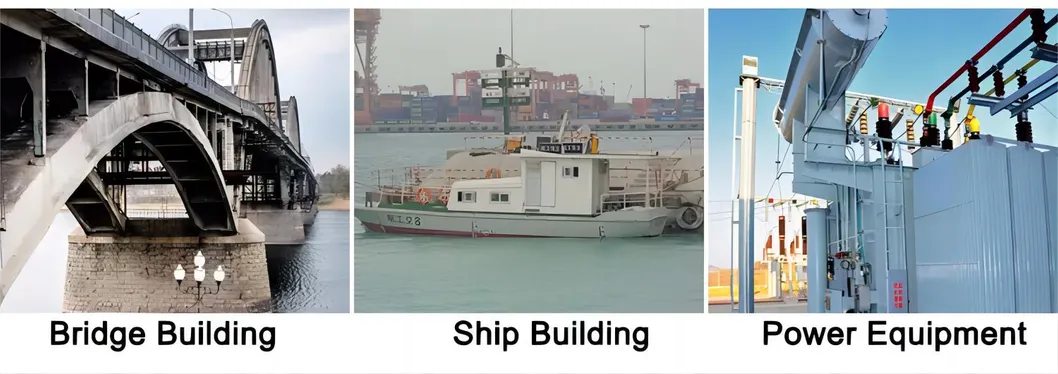
Construction: Roofing, coastal structures, and elevator interiors.
Medical: Surgical instruments and implants due to biocompatibility.
Quality Control & Packaging
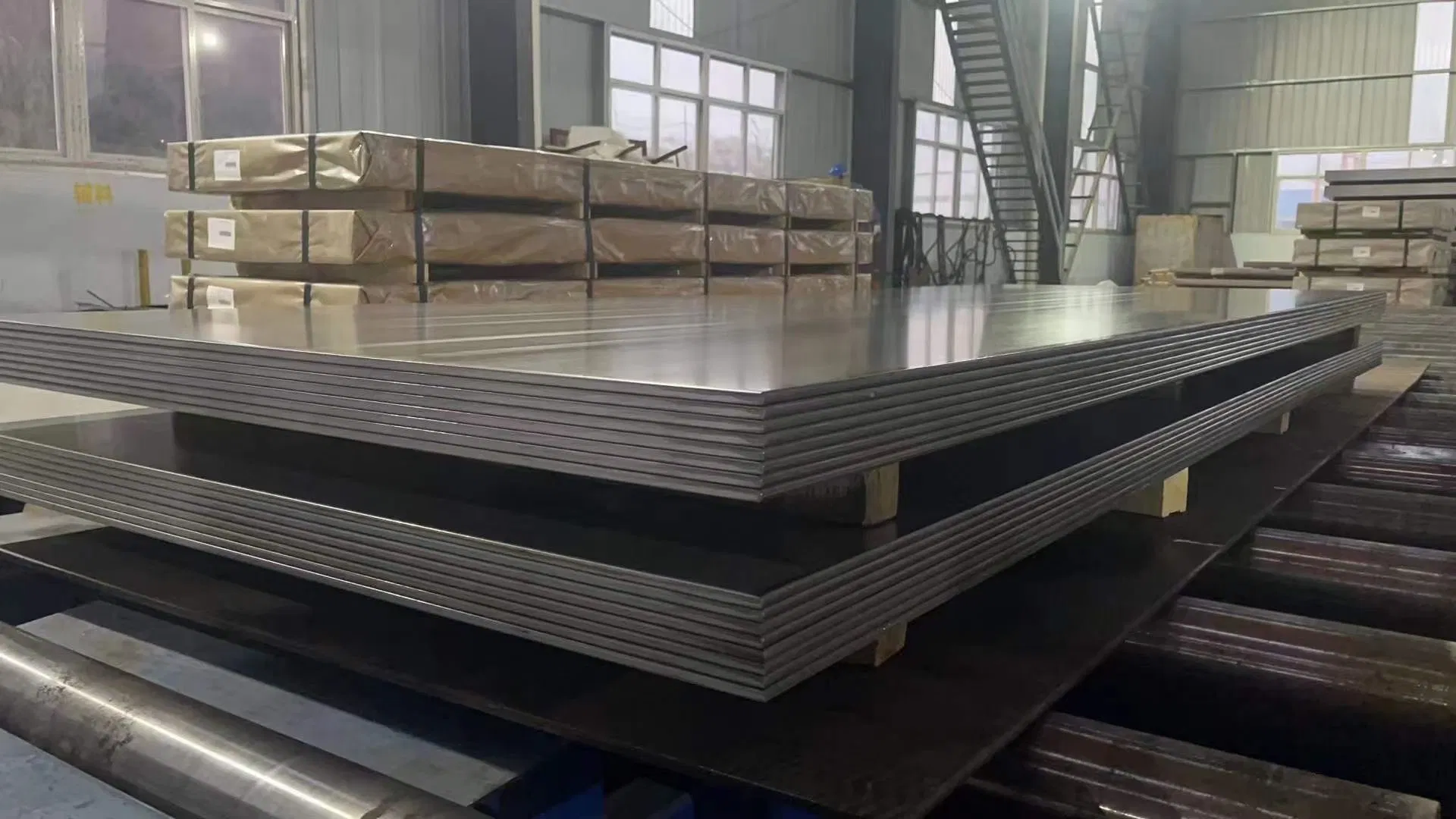
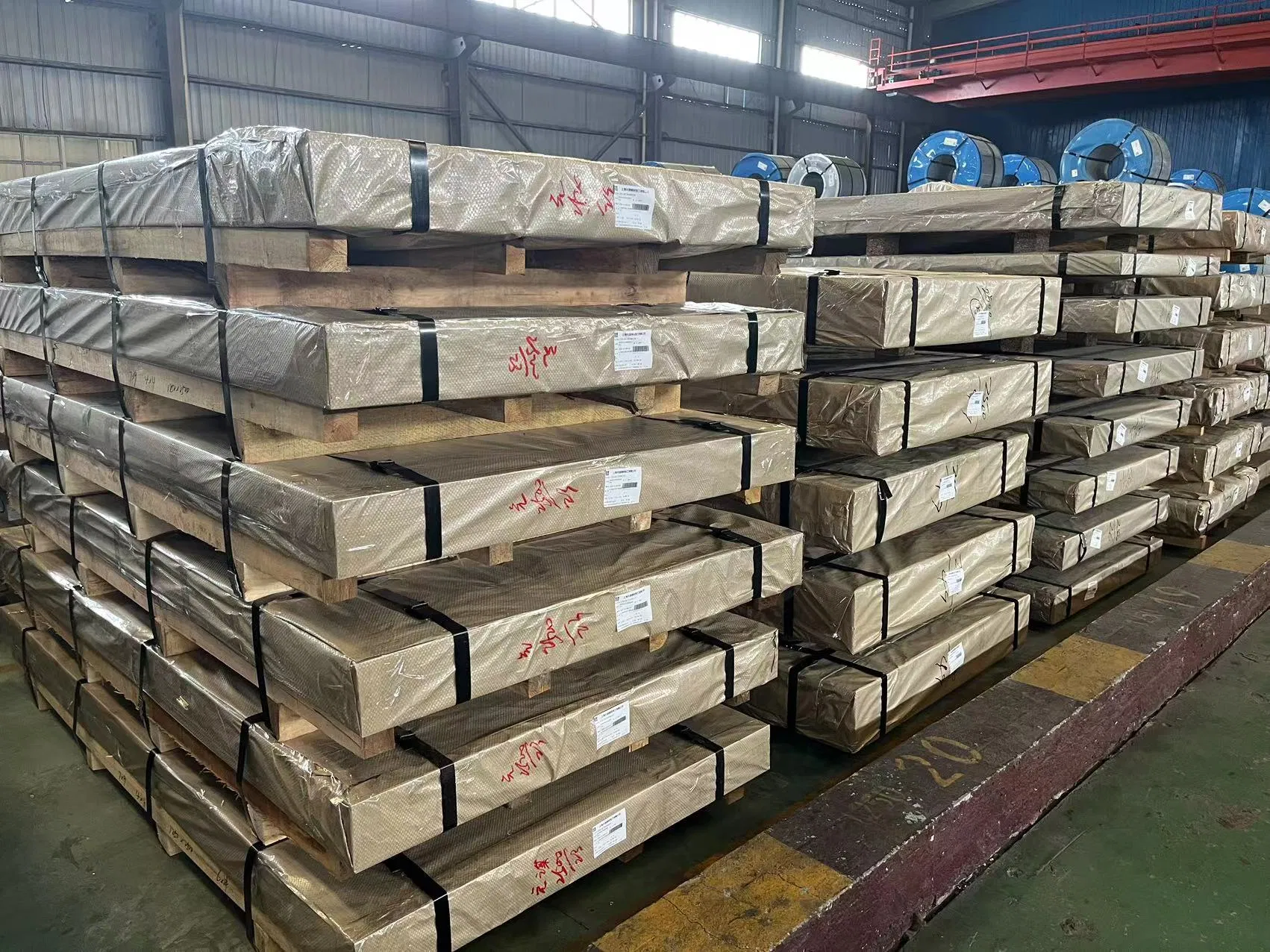
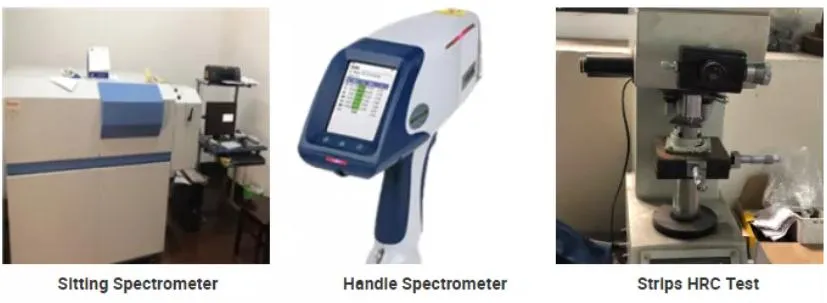
All products undergo strict testing before packaging. Unqualified products are destroyed, and we welcome third-party inspections before loading.
Shipping Container Capacity
20ft GP: 5.8m(L) x 2.13m(W) x 2.18m(H) - Approx 27 Tons
40ft GP: 11.8m(L) x 2.13m(W) x 2.18m(H) - Approx 27 Tons
40ft HG: 11.8m(L) x 2.13m(W) x 2.72m(H) - Approx 27 Tons
Frequently Asked Questions
What are the main advantages of 304L over 304?
The "L" stands for low carbon. 304L has a carbon content of ≤0.03%, which minimizes carbide precipitation during welding, making it superior for welded structures that face corrosive environments.
Can I request a free sample before placing a bulk order?
Yes, samples are typically provided freely. However, we ask customers to cover the initial sample cost and express shipping fee, which is fully refunded upon the first formal order.
How do you ensure the quality of the steel plates?
All products are strictly tested. We provide material performance data and heat treatment advice. We also support inspections by third parties like SGS or BV as required by the client.
What is the typical lead time for an order?
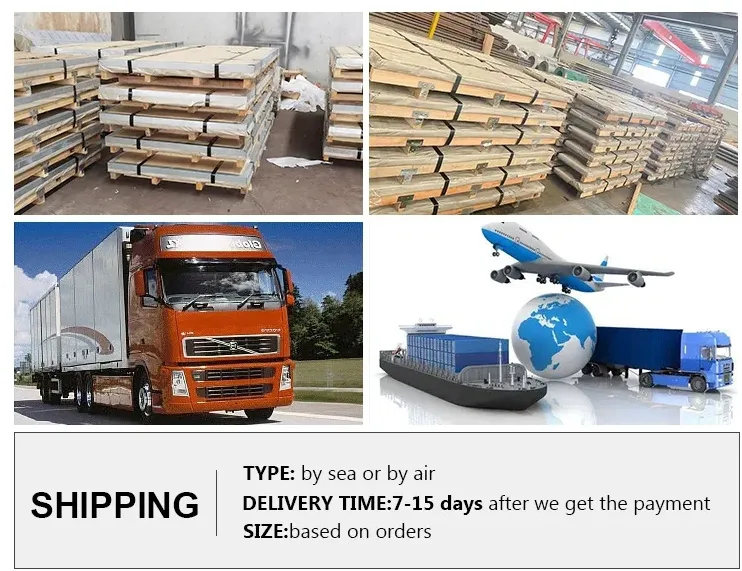
Standard stock items can be processed quickly. Generally, the lead time is 7-15 working days after receiving the initial deposit.
What surface finishes are available for architectural use?
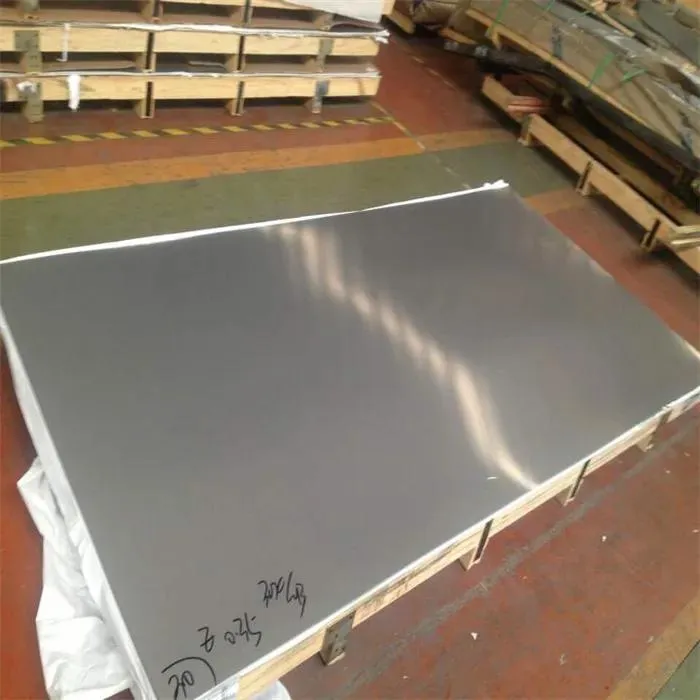
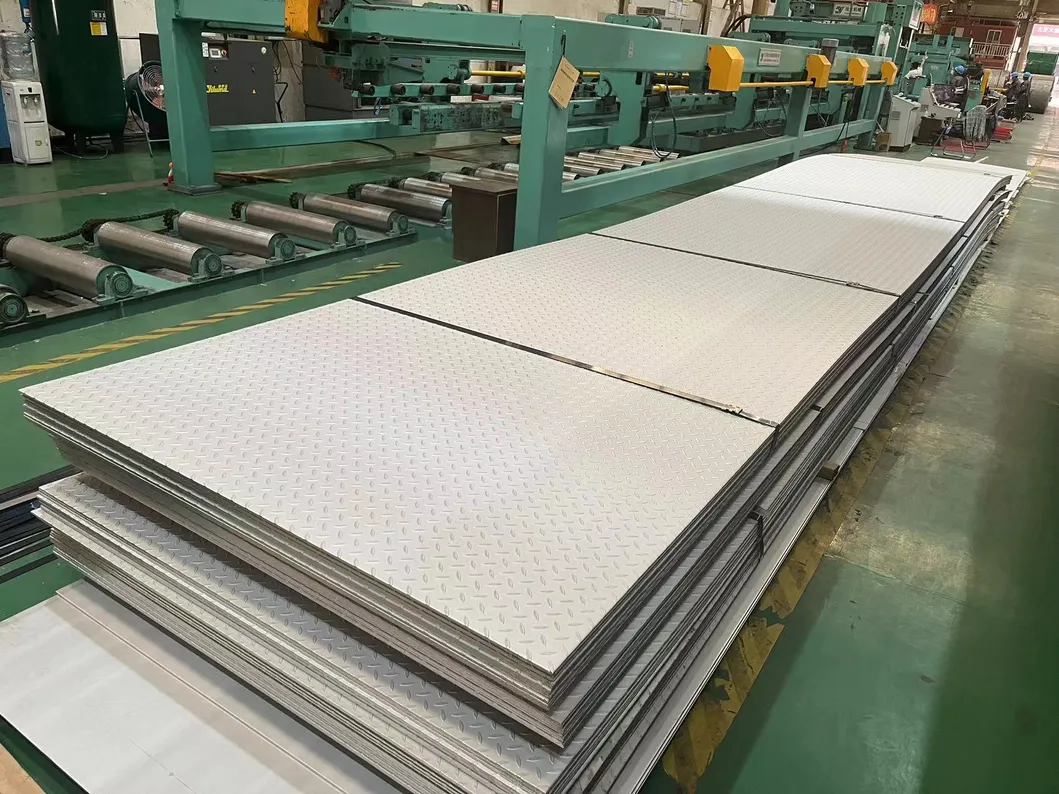
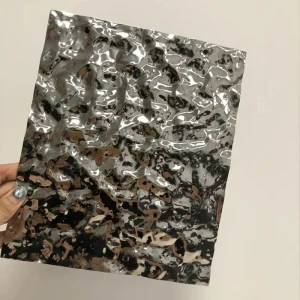
For architectural and decorative purposes, we offer BA (Mirror), No.4 (Brushed), HL (Hairline), and various embossed textures that provide both aesthetic appeal and scratch resistance.
Is this material suitable for marine environments?
304L is suitable for coastal infrastructure where chloride exposure is moderate. For direct and constant contact with seawater, we recommend 316L due to its higher molybdenum content.
 Sandstorm Steel